That stripe is the specimen soap below: its fatty acids, to scale.
The lye calculator that shows its work.
NaOH, KOH or dual lye. Water three ways at once. Citric acid and milk handled with real chemistry. Mould sizing that respects your recipe. And beside every number, the formula, the substitution and the source.
Open the calculator Browse the oils
New to soapmaking? Start with the 4 steps to a first safe bar ↓
- Every formula cited
- Every oil value sourced
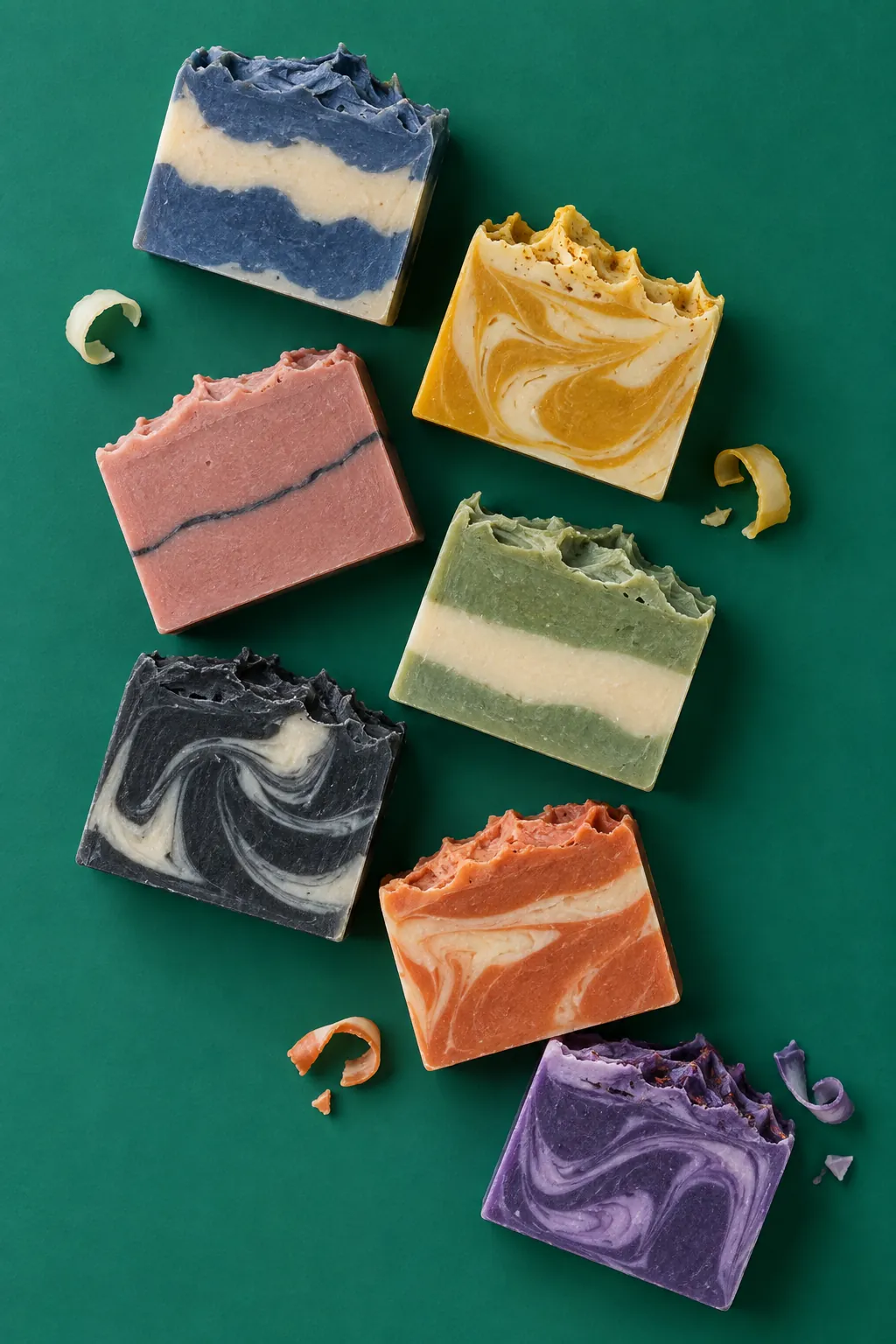
Read a soap by what it is made of.
Warm colours are the saturated acids that make a bar hard and give it lather. Cool colours are the unsaturated ones that condition. Every stripe on this site is a real recipe, drawn to scale.
The shaded bands behind the qualities are a convention, not a measurement. A castile sits outside them and is one of the oldest soaps there is.
Saturated 38 Unsaturated 62
- Lauric acid 12.3 % hard, cleansing, big bubbles
- Myristic acid 4.7 % hard, cleansing, bubbles
- Palmitic acid 10.9 % hard, stable creamy lather
- Stearic acid 6.7 % hard, stable creamy lather
- Ricinoleic acid 4.4 % conditions, boosts lather
- Oleic acid 48.2 % conditions, gentle
- Linoleic acid 8.6 % conditions, shorter shelf life
- α-Linolenic acid 0.4 % conditions, shortest shelf life
- Other 5.3 % shorter and longer chains
usual range this soap
Exact
The saponification arithmetic every calculator shares, with the constants cited. Oil values kept as the published range, not one copied number.
Explained
Every result opens to its formula and substitution. Water is shown as a concentration, a percentage of oils and a ratio, because they are one quantity.
Yours
Save recipes, versions and batches. Import and export in open formats, free, forever. The data is ODbL and the formulas are MIT.
Start from a classic.
Every recipe is computed from sourced oil data. Open one in the calculator and make it yours.
-
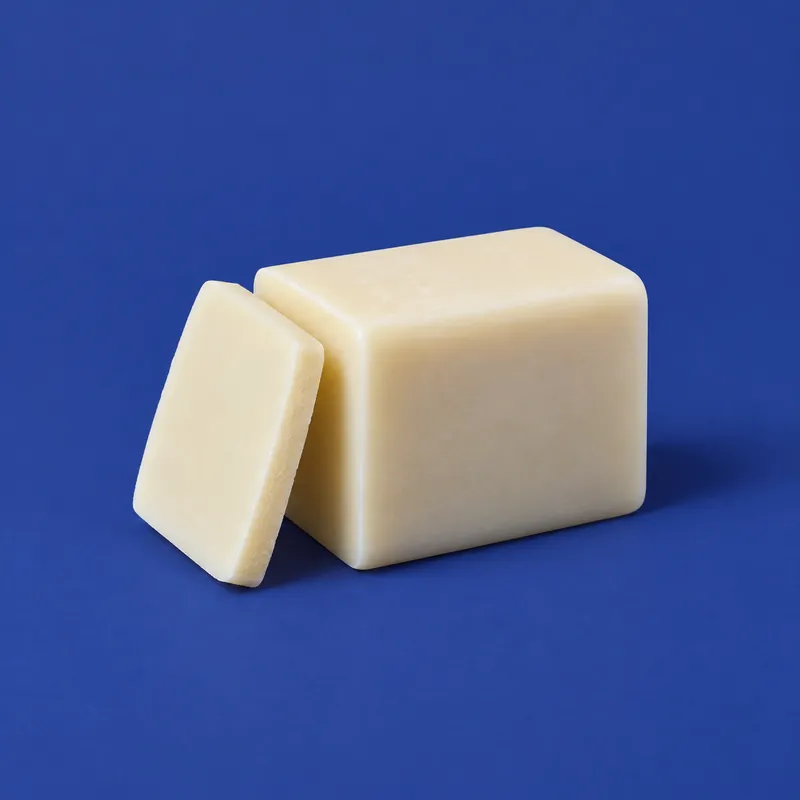 Castile soap Traditional Olive Oil 100 · superfat 5 % Hardness17 Cleansing0 Conditioning82
-
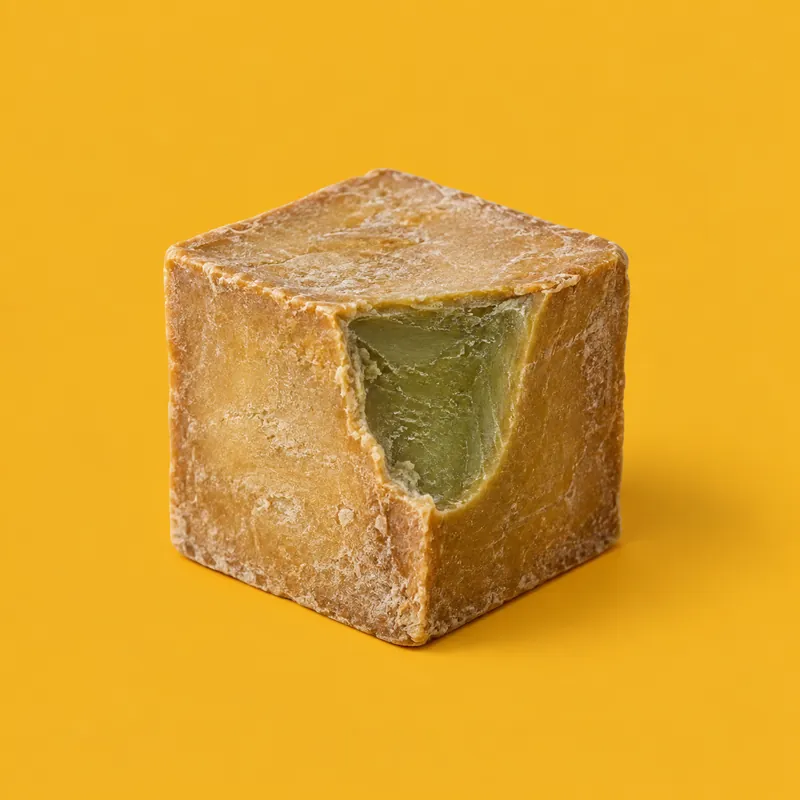 Aleppo-style soap, 20 % laurel Traditional Olive Oil 80 · Laurel Berry Oil 20 · superfat 4 % Hardness21 Cleansing4 Conditioning78
-
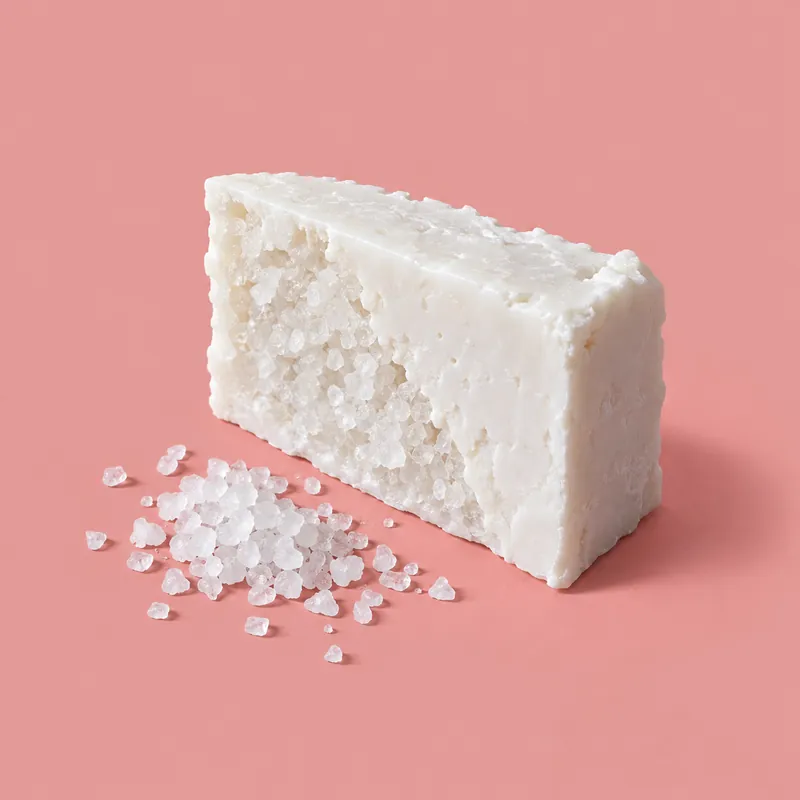 Sea salt bar Salt and brine bars Coconut Oil 80 · Shea Butter 10 · Castor Oil 5 · Olive Oil 5 · superfat 17 % Hardness69 Cleansing54 Conditioning22
-
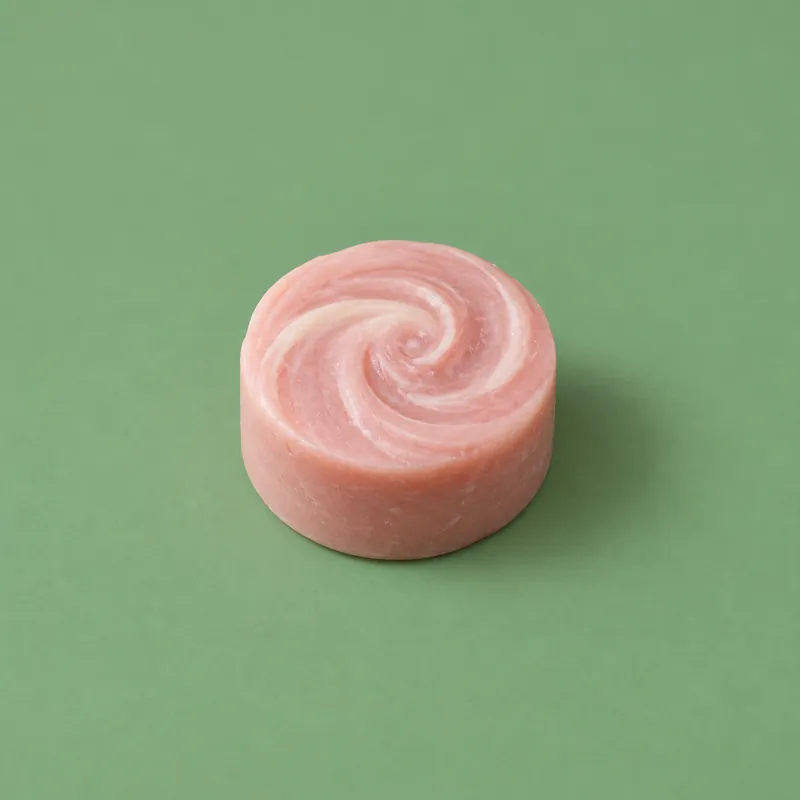 Facial bar Facial bars Olive Oil 40 · Hemp Seed Oil 15 · Shea Butter 15 · Coconut Oil 15 · Castor Oil 5 · Jojoba Oil 10 · superfat 8 % Hardness27 Cleansing10 Conditioning62
-
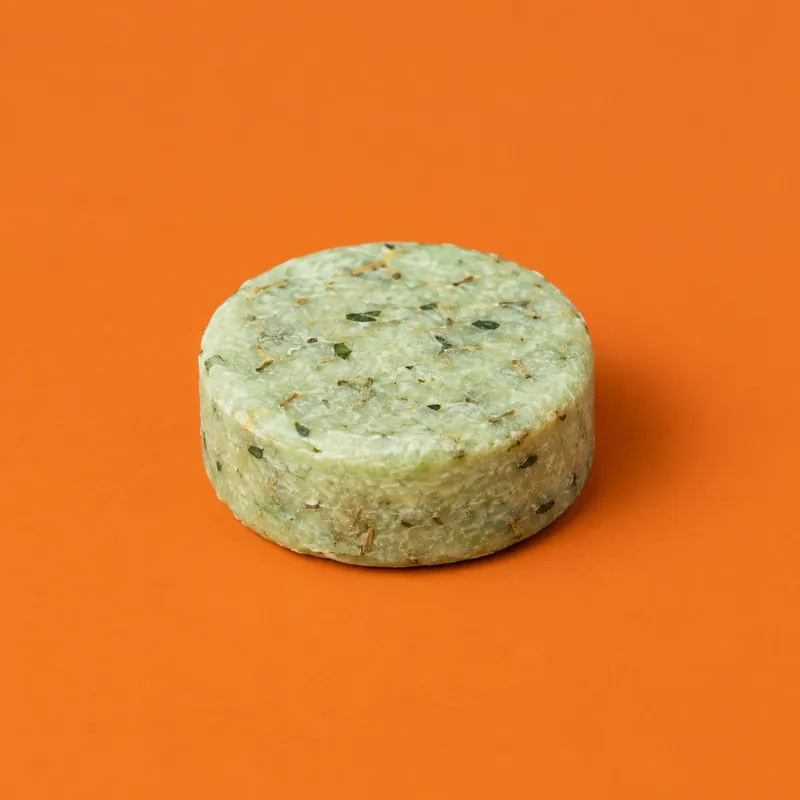 Unscented shampoo bar Shampoo bars Coconut Oil 25 · Olive Oil 30 · Castor Oil 15 · Shea Butter 15 · Avocado Oil 15 · superfat 5 % Hardness35 Cleansing17 Conditioning61
-
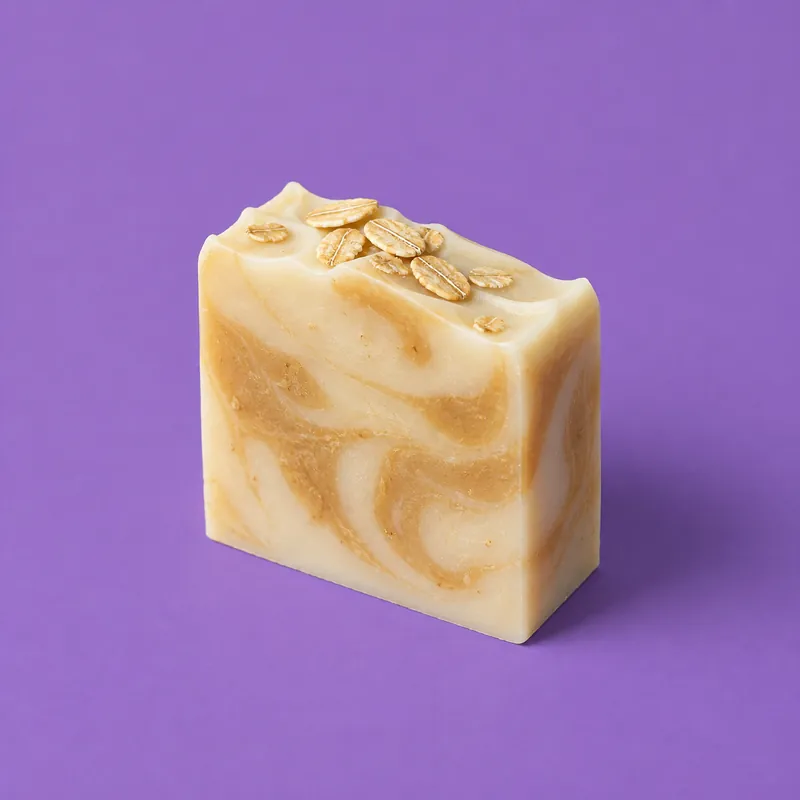 Goat milk soap base Richer bars Olive Oil 40 · Coconut Oil 25 · Palm Oil 25 · Shea Butter 10 · superfat 6 % Hardness44 Cleansing17 Conditioning53
Learn to make soap, and know why it works
Guides from a first safe batch to the chemistry of saponification, each checked against its sources and tied to the calculator.
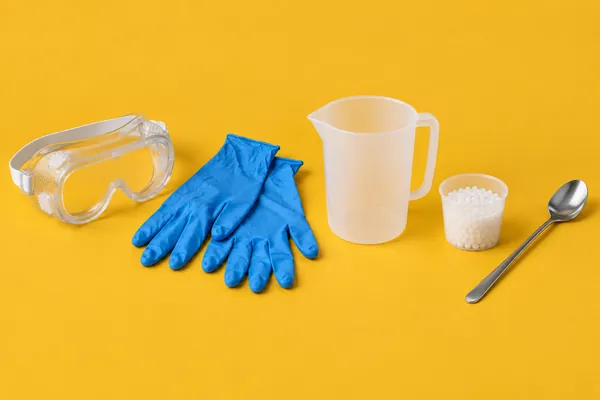
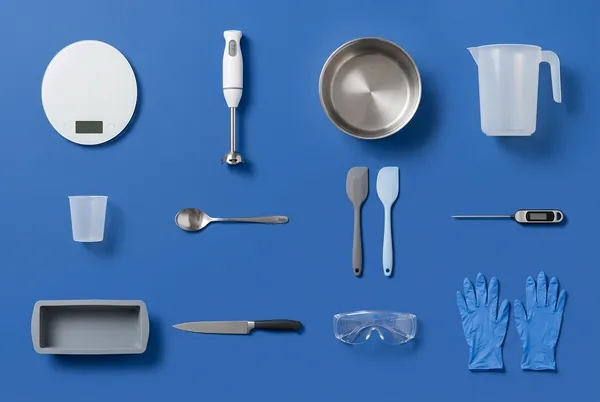
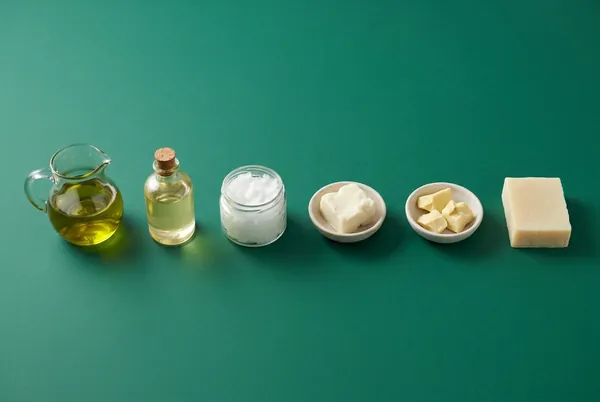
24 tools, one set of numbers.
The soap tools, the cosmetics that share their chemistry, and what you need the day you start selling.
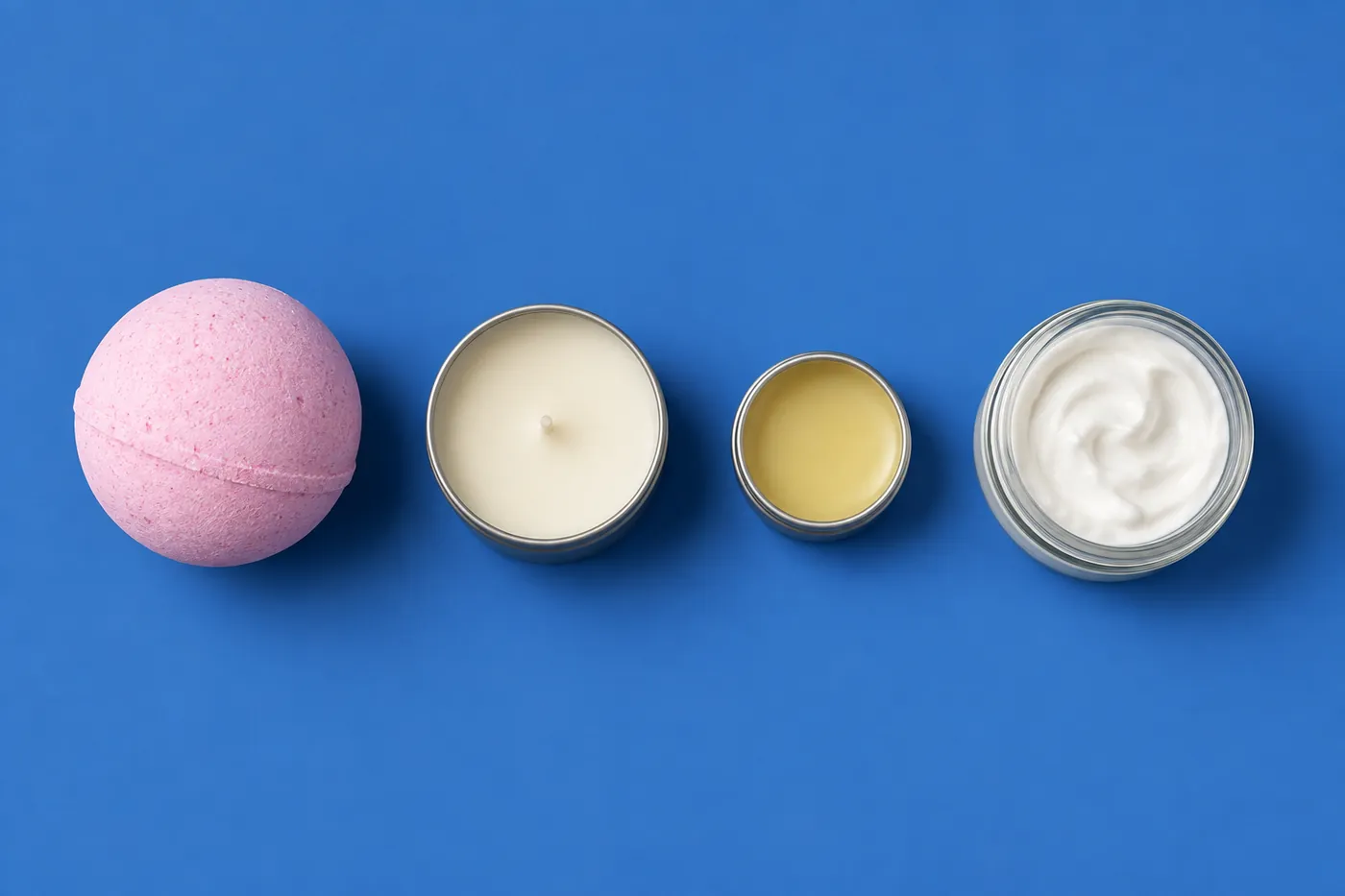
Bath bombs to body lotion.
The same care with the numbers, for everything else on the shelf.
- Bath bombsThe reaction’s own ratio, the fizz it makes, and how many bombs
- Candles & meltsWax for your vessels, and what "10 % fragrance load" actually means
- Lip balms & salvesWax, butter and oil against the band your format is written at
- Lotions & creamsPhases, q.s. to 100 %, usage rates, and the HLB your oils actually need
- HLB calculatorThe required HLB of your oil phase, and the ratio of two emulsifiers that meets it
- Syndet & shampoo barsWhat your surfactants add up to once each is counted at its real strength
- Melt and pourHow much base fills a mould once fragrance and additions take their share, and the sums for a rebatch
Labels, costs, lots and the paperwork.
Drafts for your safety assessor, each checked against the rule it cites.
- Label makerA soap or cosmetic label with every particular the EU, Great Britain, the US, Canada or Australia asks for, checked against the rule
- Cost and priceWhat a batch costs, what one bar costs, and what your price earns, as margin and as markup
- Fragrance & allergen checkIFRA load by product type and EU/Canada allergen declarations from supplier sheets
- Stock and inventoryDeliveries in, batches out, and every lot traced
- Safety dossierThe Part A file a safety assessor asks for, from a saved recipe
- Regulatory calendarThe dates that change what a label has to say
Every number has somewhere it came from.
Every soap calculator ships the same unattributed oil table, and nobody can say where a single number in it came from. The one people trust most cannot save a recipe, went offline for months in 2025, and shipped wrong oil data when it came back. The ones that can save recipes carry years-old bugs in mould sizing and resizing.
This one starts from the other end: 207 ingredient records transcribed from 119 primary publishers with the document named on every row, a formula library with a citation on every constant, and an explanation beside every number. The calculator is free and stays free. The workbench that grows around it is what we will charge for.
Browse the oils
- 207oils, butters and waxes
- 119primary publishers cited
- 147recipes, each one computed
Your recipes, batches and labels in one place.
Saving a recipe works without an account. An account keeps them in one list, beside your batch log.