Learn to make soap, and know why it works
From a first bar made safely to the chemistry of saponification. Each guide is written from the method up, checked against the sources it names, and linked to the calculator so every number you read is one you can work out yourself.
For teachers: a saponification worksheet, with the answers worked out
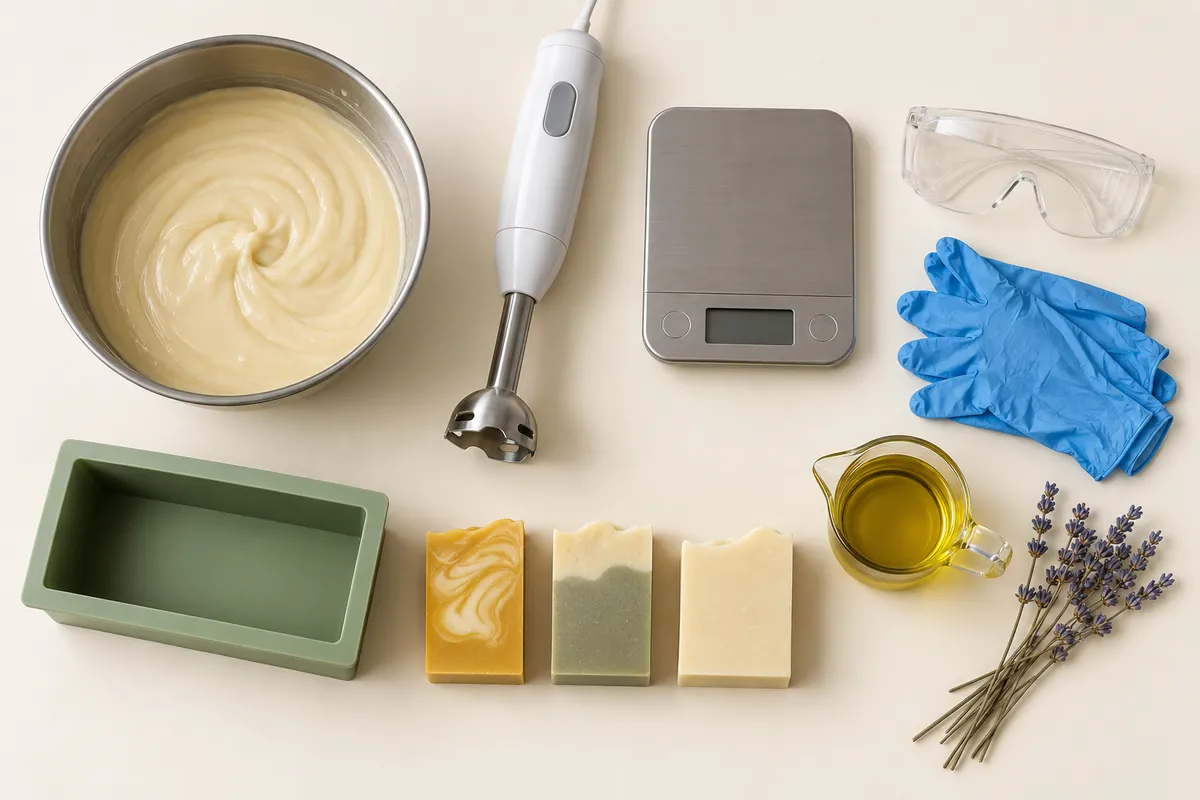
Start here
Read these in order before your first batch.- How soap is made: what happens when oil meets lye 8 min read
- Handling lye safely 13 min read
- The equipment you need to make soap 8 min read
- Choosing the oils for your first soap 12 min read
- Using a lye calculator: every number explained 13 min read
- Your first cold process soap, step by step 14 min read
- Trace: how to tell when soap batter is ready 10 min read
- Gel phase: to insulate or keep it cool 7 min read
- Curing and storing handmade soap 8 min read
Your first batches
Safety, equipment and the method, from an empty kitchen to a cured bar.
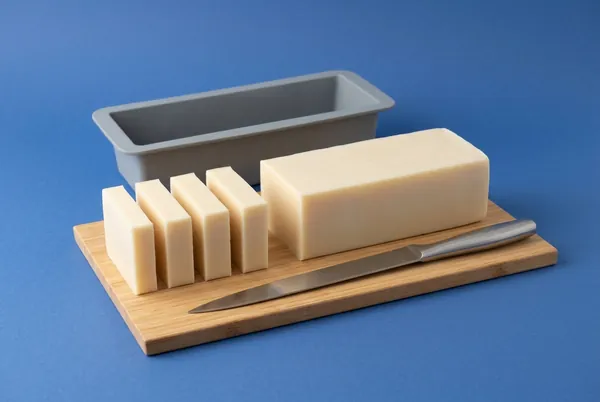
Unmoulding and cutting soap
When cold process soap is ready to come out of the mould, how to release it from silicone, lined and cavity moulds, and how to cut, bevel and stamp even bars.
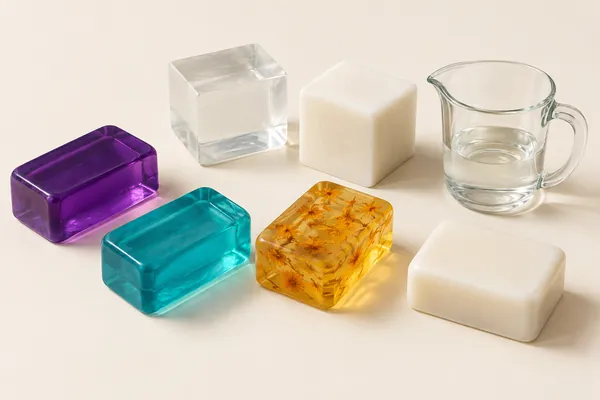
Melt and pour soap: a lye-free way to start
What melt-and-pour base is, how to melt it without scorching, how much fragrance and colour it takes, and why the bars sweat. No lye to weigh or handle.
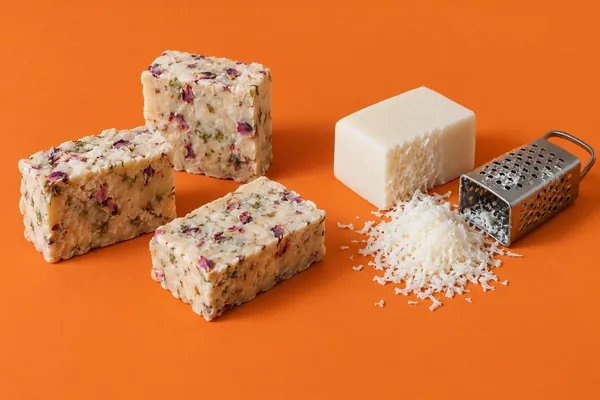
Rebatching soap: saving a batch or making milled bars
How to grate and remelt finished soap with a little liquid, to fix a mistake you can measure or add what fresh lye would ruin, and when a batch is past saving.
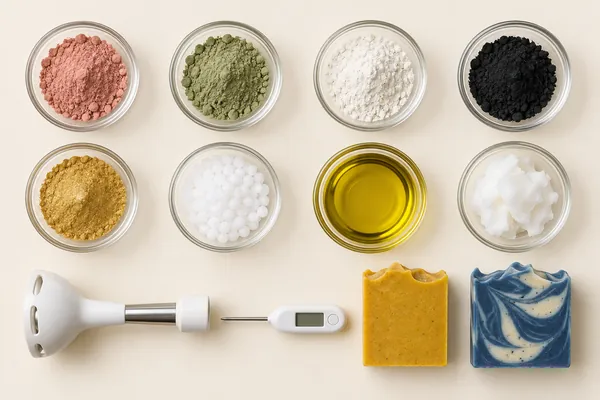
Soapmaking glossary: the terms, plainly explained
Trace, superfat, gel, soda ash, SAP value, PPO, DOS and seventy more soapmaking terms, each in a sentence or two, with a link to the guide that explains it.
Design and technique
Colour, swirls, layers, tops and embeds, and the batter each one needs.
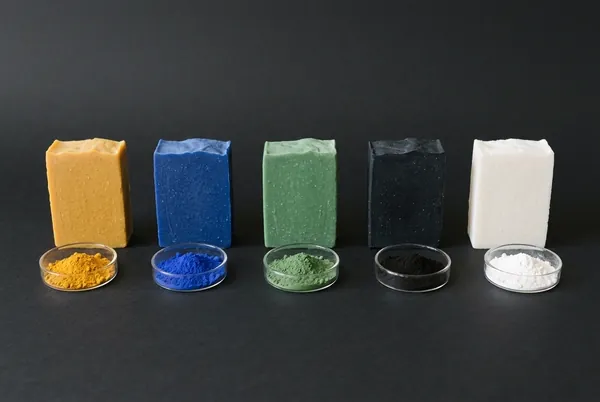
Colouring soap: micas, oxides, ultramarines and pigments
Which colourants survive cold-process soap, how much to use per 500 g of oils, how to disperse and split colour, and what the EU, UK and US rules ask.

Natural colourants: what herbs, clays and spices really do in soap
Clays, charcoal and plant colours in cold-process soap: doses per 500 g of oils, infused oil, powder or lye, and the colour each one actually turns.
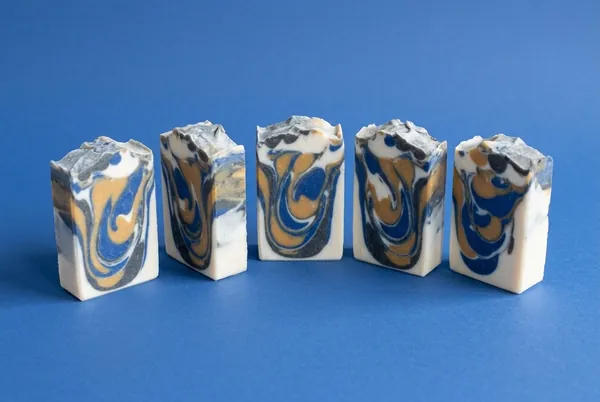
Swirl techniques: in the pot, drop, hanger, spoon and Taiwan
Seven cold-process swirls step by step, with the batter, recipe and temperatures that keep soap fluid, and why swirls turn muddy or lumpy.
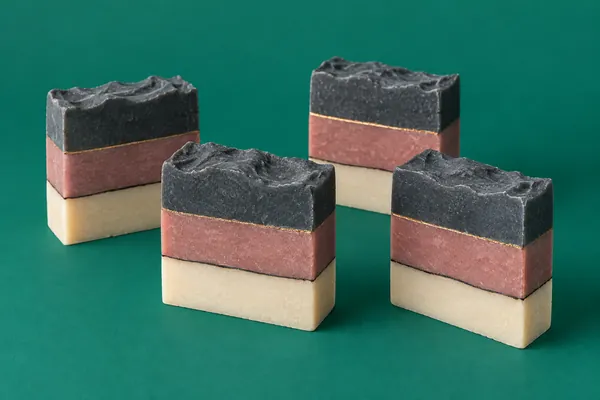
Layers, mica lines and pencil lines
Layered cold-process soap: batter thickness, pouring over a spatula, working out each layer from the mould, and pencil lines that don't split the bar.
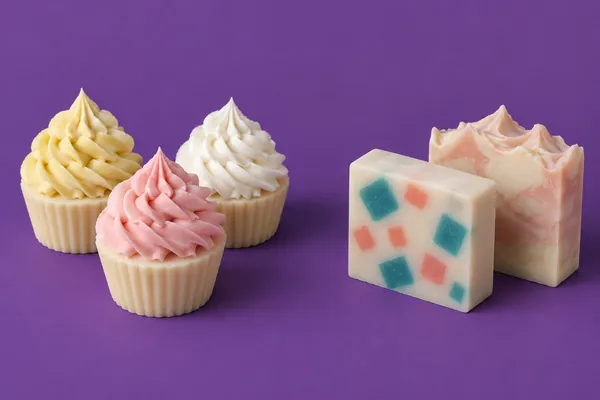
Embeds, textured tops and piping
Soap embeds that stay put and don't bleed, textured and botanical tops, piped frosting and soap cupcakes, and how to keep soda ash off the top.
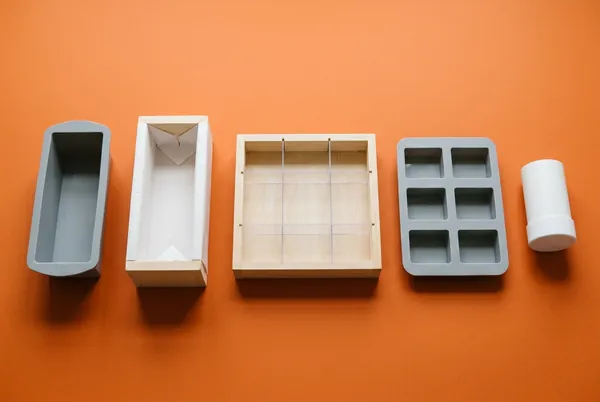
Soap moulds: choosing one and sizing a recipe to fit
Silicone, wood, slab, cavity, tube and improvised soap moulds; lining with freezer paper; and how to size a recipe to a mould, with a worked example.
Ingredients
Oils, scents, colourants and additives: what each does and how much to use.
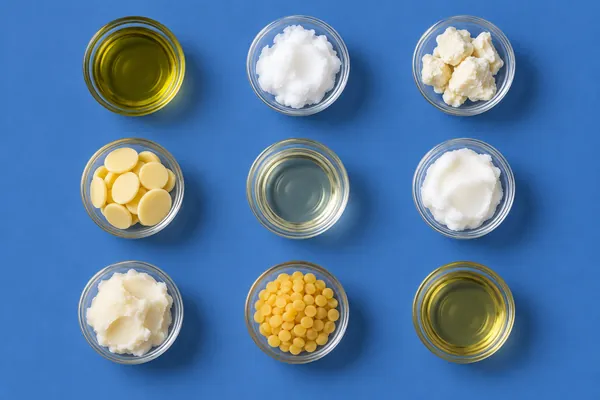
The soaping oils: what each one brings to a bar
Twenty-five soaping oils, butters and waxes: what each does in a bar and why, the share makers give it, and what to watch for, with figures from our records.
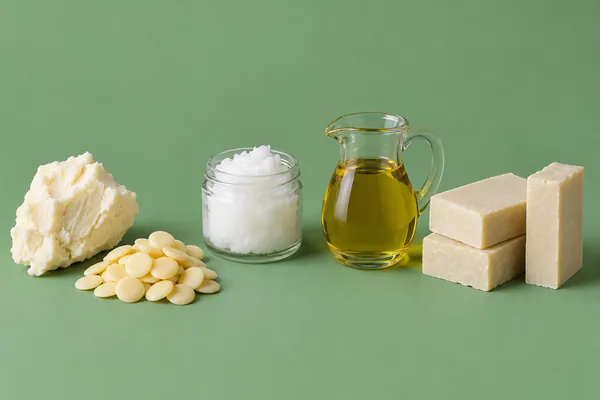
Palm-free soap: what takes palm oil's place
What palm oil does in a bar of soap, why makers drop it, and how lard, tallow, shea, cocoa, kokum or stearic acid take its place, with worked palm-free recipes.
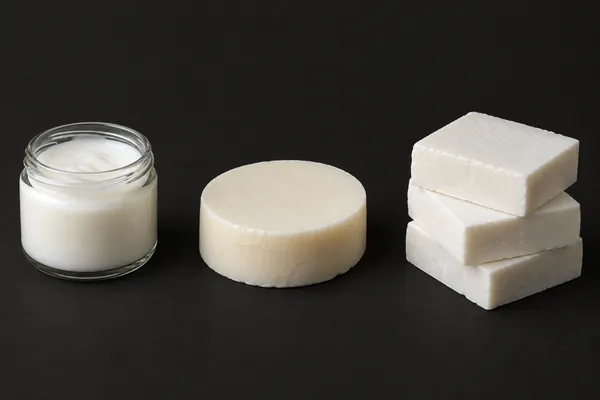
Lard and tallow: soaping with animal fats
Why lard and tallow make hard, mild, creamy soap, how to render and store them at home, how beef, mutton and pork fat differ, and classic recipes.

Scenting soap: essential oils and fragrance oils
How much essential or fragrance oil to use in soap, what ounces per pound mean in percent, the IFRA limits for common essential oils, and EU allergen labelling.

Soap additives: salt, sugar, sodium lactate, clays, oats, silk and more
What common soap additives do, how much to use and when they go in: sourced doses for sodium lactate, salt, sugar, honey, citric acid, clays, oats and silk.
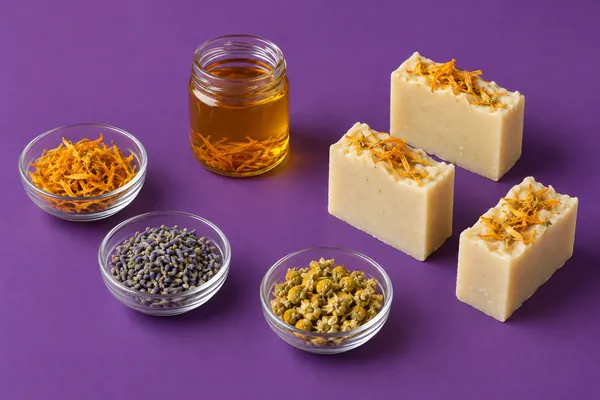
Herbs, flowers and infusions in soap
What dried herbs, petals, infused oils and herbal teas really do in soap: which survive lye, how to infuse an oil, and which claims a herbal soap can make.
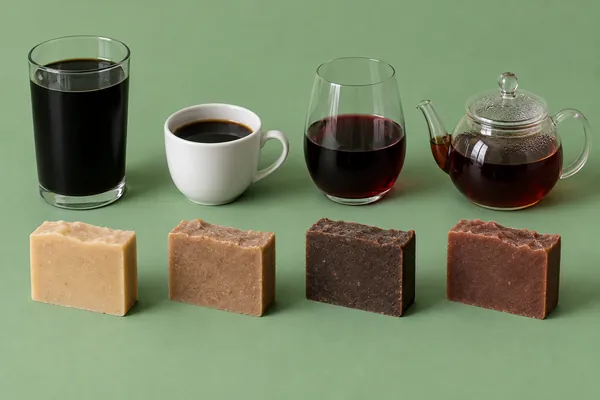
Beer, wine, coffee, tea and juice in soap
Using beer, wine, coffee, tea or juice in place of soap's water: how to prepare each one, add the lye safely, and what the calculator does with the liquid.
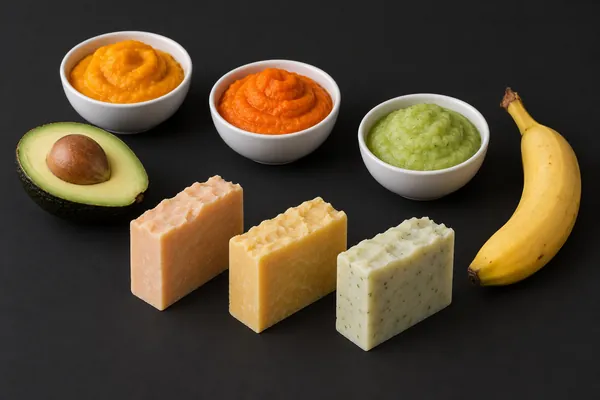
Fruit and vegetable purées in soap
How much pumpkin, carrot, cucumber, avocado or banana to put in soap, when to add it, why purées overheat and spoil, what each really adds, and a recipe.
Special soaps
Milk, salt, shampoo, shaving, liquid, transparent and hot process.
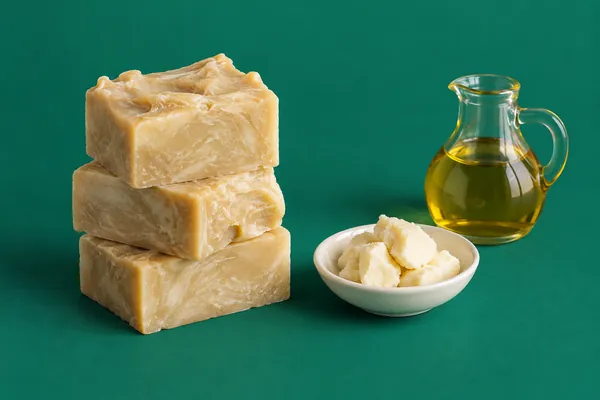
Hot process soap, step by step
Cook soap batter in a slow cooker until the lye is spent, then stir in the superfat oil, fragrance and colour. A full recipe with the calculator's numbers.
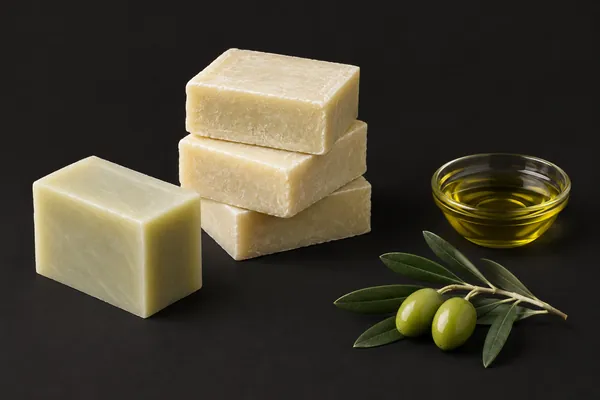
Castile soap: pure olive oil, and why it's worth the wait
What castile soap really is, why pure olive oil traces slowly and starts soft and slippery, how long to cure it, and a recipe with the calculator's numbers.
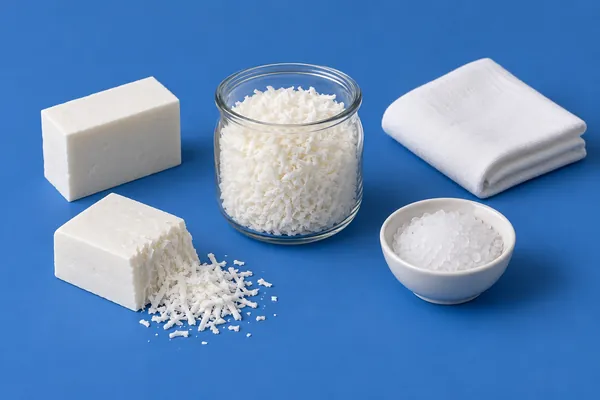
Laundry soap bars and household soap
Why laundry and kitchen bars are high in coconut and made with almost no superfat, how to grate one into laundry powder, and what washing soda and borax do.
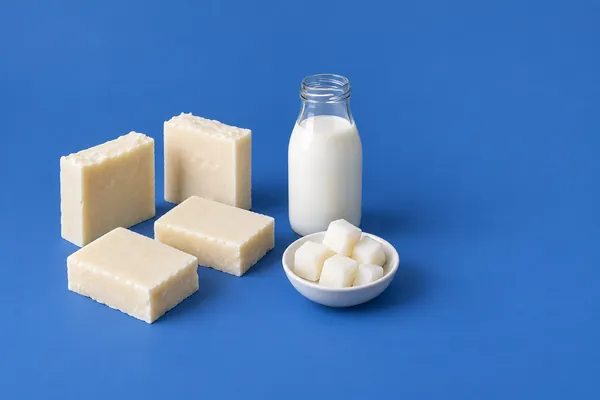
Milk soap: goat milk, freezing and keeping it pale
How to make goat milk soap without scorching it: frozen milk, lye added a spoonful at a time, a cool mould, and a full recipe worked through the calculator.
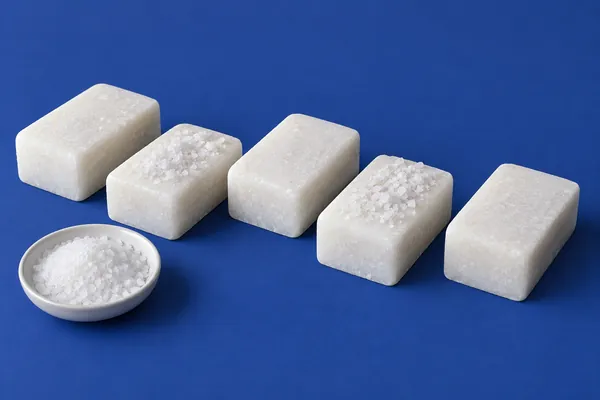
Salt bars: spa soap with sea salt
Why salt bars are mostly coconut oil at a 15 to 20 % superfat, how much salt to use and which to avoid, when to cut them, and how brine bars differ.
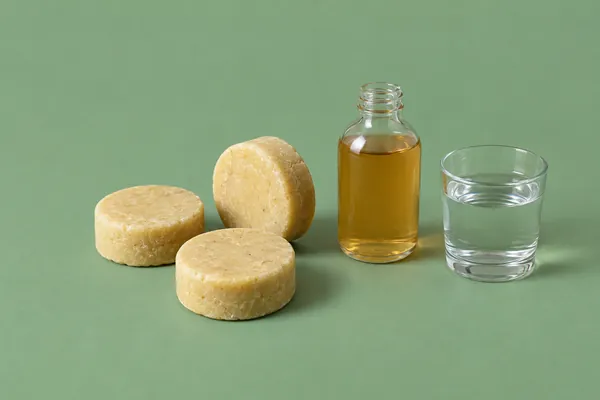
Shampoo bars: what true soap does to hair
Soap shampoo bars, honestly: what alkaline soap and hard water do to hair, why an acid rinse helps, when a syndet bar is the better choice, and a recipe.
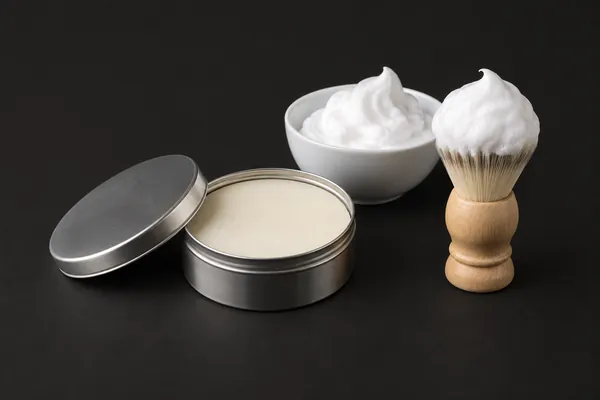
Shaving soap: stearic acid, dual lye and a dense lather
How shaving soap differs from a body bar: stearic acid for a dense, lasting lather, NaOH and KOH for a firm puck that loads fast, and hot process into tins.
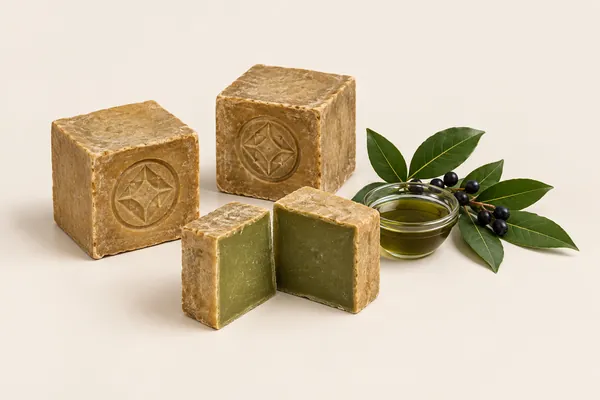
Aleppo soap and laurel berry oil
What Aleppo soap is, how the cauldron process differs from cold process at home, what laurel berry oil brings and why its SAP sits low, with recipes.
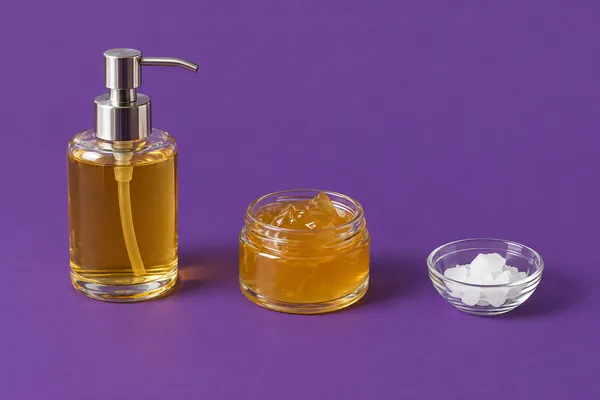
Liquid soap from potassium hydroxide paste
Real liquid soap from scratch: a potassium hydroxide paste cooked until it dissolves clear, diluted by weight, thickened with salt and kept free of microbes.
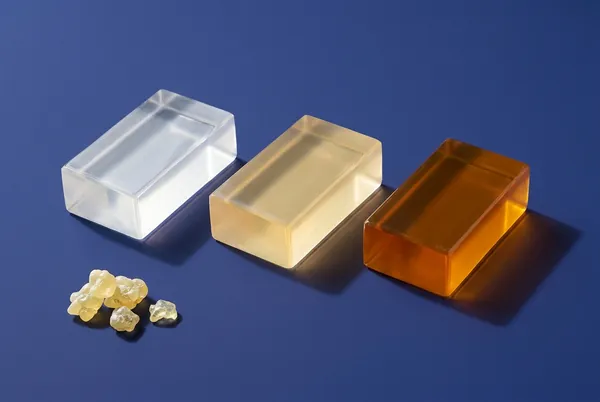
Transparent soap by the solvent method
Make true transparent soap from scratch: soap dissolved in alcohol, glycerin and sugar, with Failor's temperatures, clarity tests, fixes and fire safety.
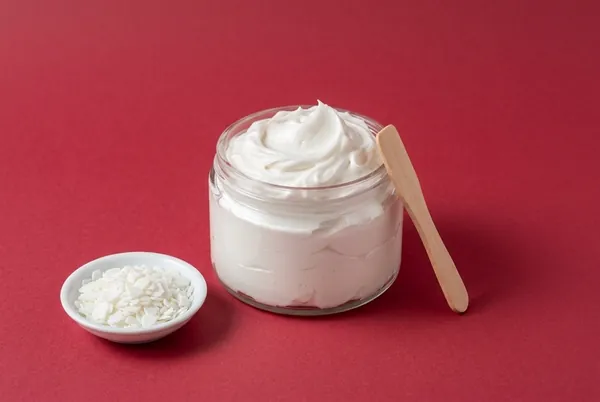
Cream soap and soft soaps
Cream soap explained: stearic acid, mostly potassium lye, a long cook and a whip, and why it turns pearly as it rests. Plus savon noir and the old potash soft soaps.
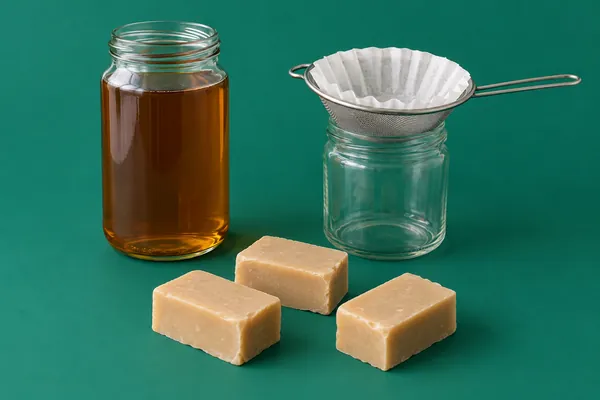
Soap from used cooking oil: how much lye, and how to clean the oil
Soap from used cooking oil: the lye an unknown frying oil needs, the 10 % superfat that covers it, how to clean the oil, and why the bar is for cleaning.
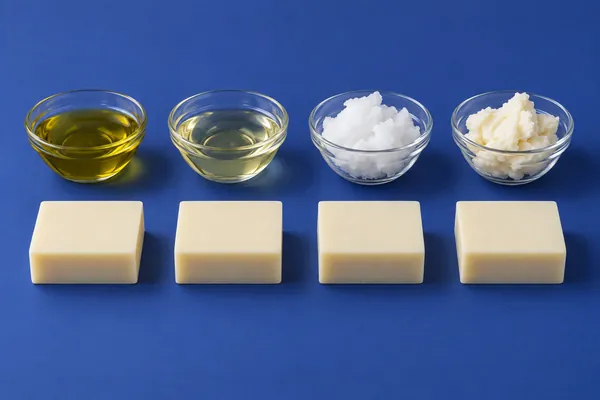
The 25er-Rezept: Germany's four-oil beginner soap, with or without palm
Germany's 25er soap recipe: olive, rapeseed, coconut and palm oil at 25 % each, with the lye, the superfat, which rapeseed oil, and a palm-free version.
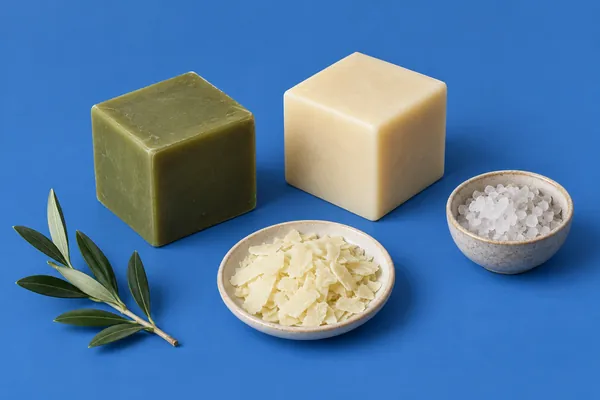
Marseille soap: what savon de Marseille is and what 72 % means
What savon de Marseille is: the cauldron process, the 1688 edict, what the 72 % stamp measures, why the name is not protected, and a home recipe.
When it goes wrong
Soda ash, seizing, spots, cracks and sweat: what caused it and what to do.
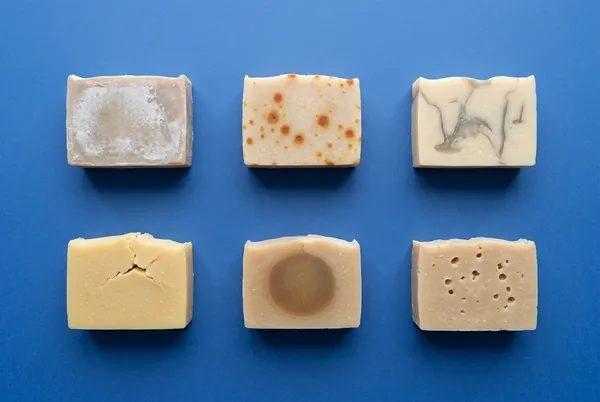
Soap problems, from soda ash to seizing: causes and fixes
Twenty-two cold process soap problems in four tables: what each looks like, why it happens, what to do now and next time, and whether the batch is safe to use.
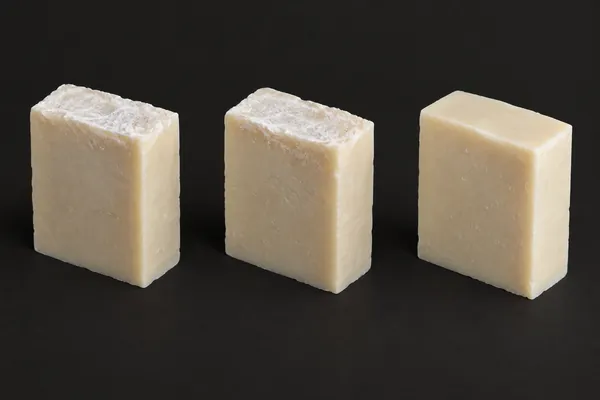
Soda ash: why it forms and how to stop it
Soda ash is sodium carbonate, made where lye still at the surface of fresh soap meets carbon dioxide in the air. Why it forms, how to prevent it and how to remove it.
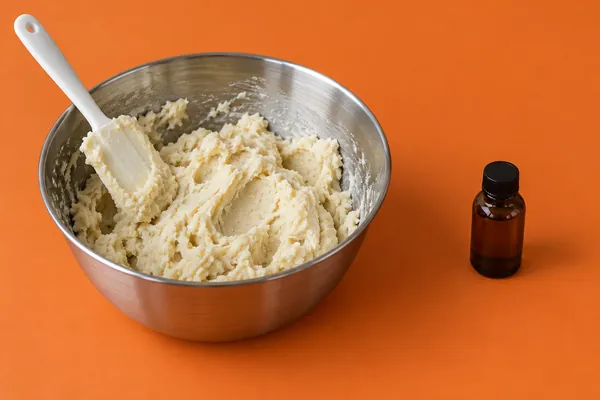
Seizing, ricing and acceleration
Why soap batter suddenly thickens, sets solid or turns lumpy, which fragrances and conditions cause it, what to do mid-batch, and how to test a new scent small.
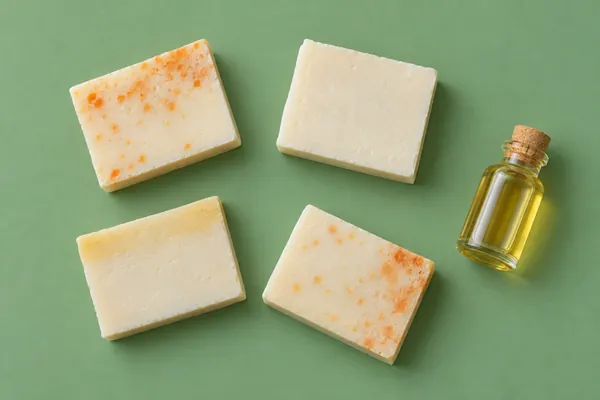
Dreaded orange spots (DOS) and rancid soap
What the orange spots on handmade soap are, why polyunsaturated oils, old fats and trace metals cause them, and which additives the tests show actually help.
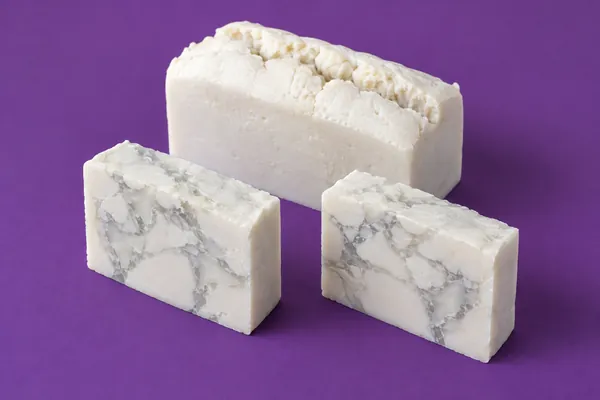
Glycerin rivers, cracks and overheating
Why cold process soap grows translucent veins, cracked tops, alien-brain ridges and volcanoes, where a loaf's heat comes from, and how to keep it under control.
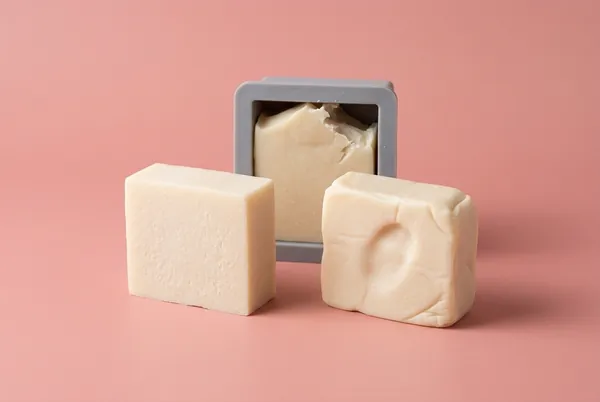
Soft soap that won't harden, sweating and separation
Why a batch stays soft, weeps or separates in the mould: too much water, soft oils, weak or wrong lye, poor mixing. What is safe, and when to wait, rebatch or bin it.
The science
Saponification, SAP values, fatty acids, pH and rancidity, with the numbers.
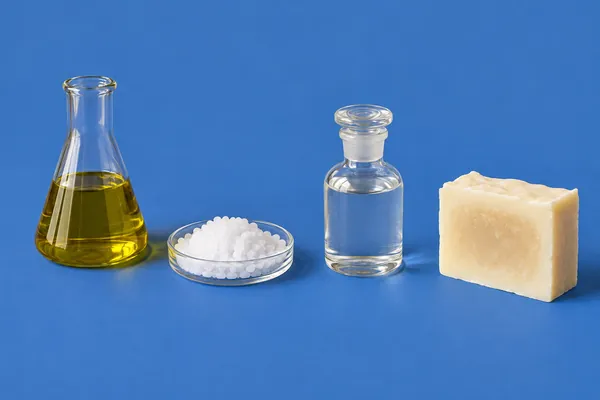
The chemistry of saponification: from ester bond to soap crystal
How hydroxide splits a fat, step by step: the mechanism, the mass balance, why free acids react first, what never becomes soap, and what gel and cure change.
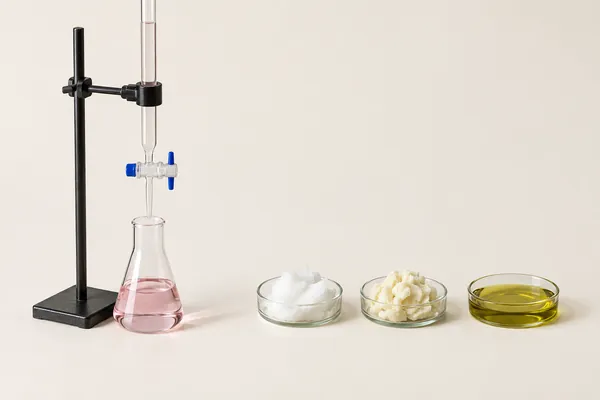
SAP values: what they measure and why tables disagree
What a saponification value is and how it is measured, why one oil has a range, how our figures compare with soap books, and what the range does to a superfat.
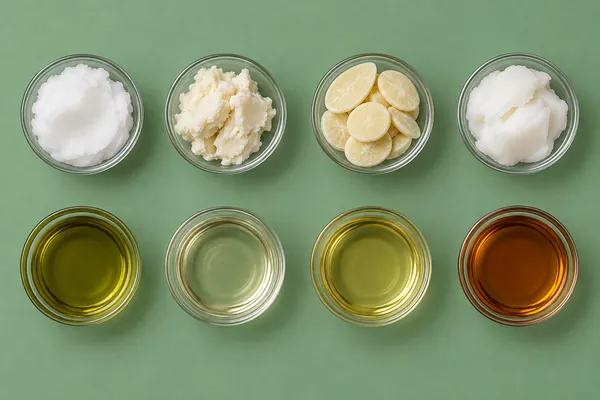
Fatty acids and soap qualities: what the numbers mean
The eight fatty acids behind how a bar behaves, how the five quality numbers are summed from them, where the usual ranges came from and when to ignore them.
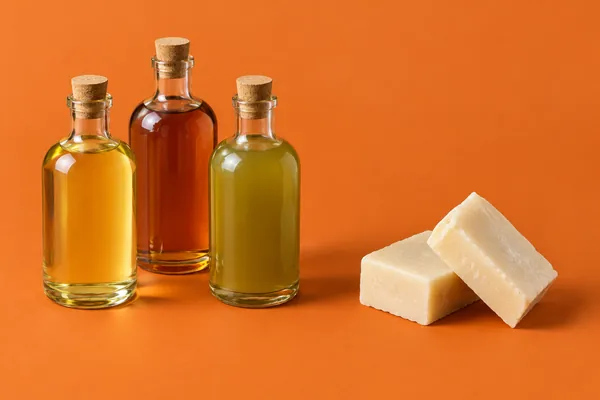
Iodine value, INS and how long soap keeps
What iodine value measures and why it warns of soft or rancid soap, where INS came from, and what its 136 to 165 band can and cannot tell you, with examples.
Superfat and lye discount: why recipes leave some oil unsaponified
What superfat and lye discount mean, how the calculator applies them, where makers set them for each soap, and why oil added at trace isn't the oil left over.
Water in soap: lye concentration, water discounting and master batches
Water as % of oils, lye concentration and water:lye ratio are one number. What more or less water does to trace and cure, how low to go, and master batching.
Soap pH: what's normal, and how to test a bar for free lye
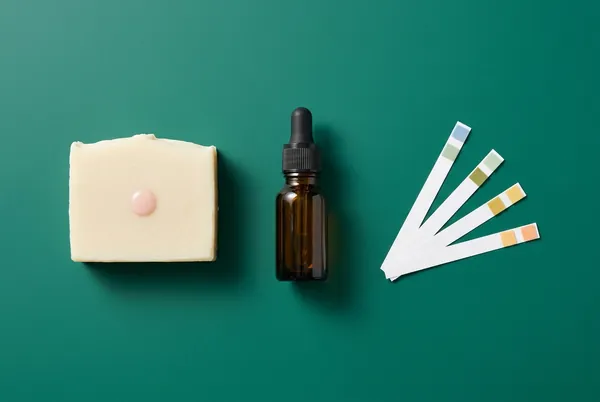
Why a cured bar reads about pH 9 to 10, why pH can't tell a mild bar from a lye-heavy one, and what phenolphthalein, strips, meters and the zap test show.
Sodium hydroxide, potassium hydroxide and dual lye explained
Why NaOH makes bars and KOH makes soft soap, converting between them, KOH purity, dual-lye recipes, and the calculator slip that turns a bar caustic.
Antioxidants and chelators: keeping soap from going off
What rosemary extract, vitamin E, BHT, EDTA and sodium citrate do in soap, the doses in our database, and how much evidence stands behind each one.
Soap in hard water: scum, chelators and rinse
Why soap turns to scum in hard water, how much soap each litre wastes, what a chelator in the bar can and cannot do, and why coconut soap copes best.
Heat in soapmaking: lye solution, soaping temperature and gel
How hot a lye solution gets and why; where a loaf's own heat comes from; what decides gel; and safe temperatures for milk, sugar and melt and pour.
Designing your own soap recipe: purpose, acids, oils
A method for building a soap recipe from scratch: decide what the bar is for, set the fatty acids that follow, choose the oils, then test and refine.
Selling your soap
Costing, pricing, labels and the records the law expects.
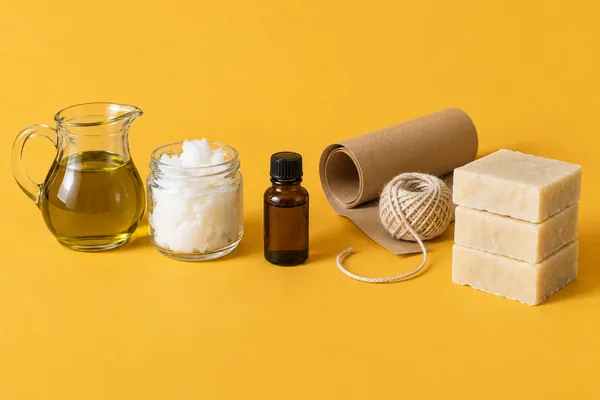
Costing and pricing handmade soap
What one bar of handmade soap really costs, why a 50 % margin is a 100 % markup, and what the habit of doubling for wholesale and again for retail assumes.
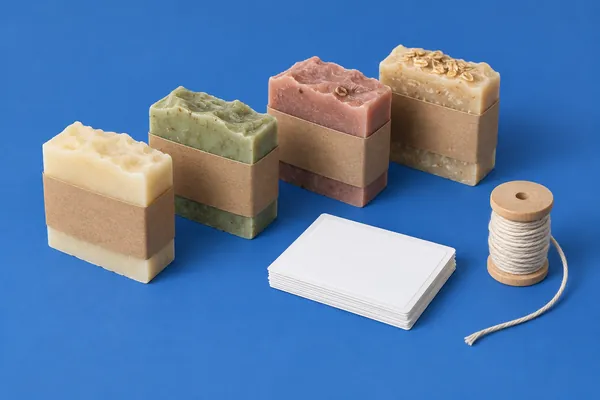
Labelling soap: US, EU, UK and Canada
What a soap label must say in the US, EU, UK and Canada: true soap or cosmetic, net weight, INCI list, allergens, and the claims that make soap a drug.
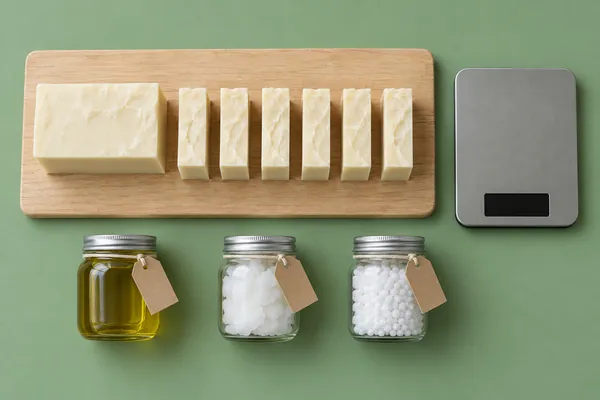
Batch records, lot codes and good manufacturing practice
What to write down for every batch of soap, how to number batches and trace supplier lots, and what good manufacturing practice asks of a small workshop.
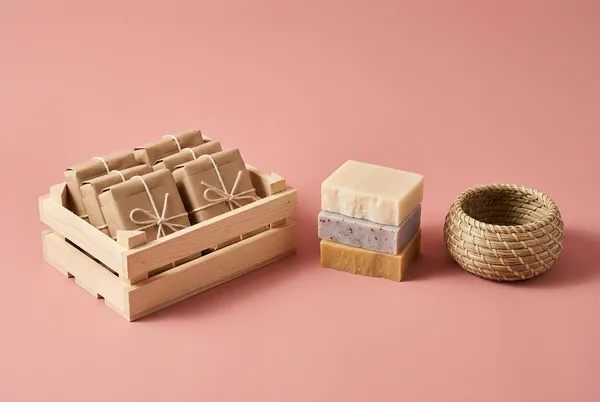
Selling handmade soap: markets, shops and online
Where to sell handmade soap and what each channel costs, from fairs and consignment to wholesale and online, plus insurance, tax, packaging, photos and stock.
Selling soap in the EU and UK: the safety assessment
How a soap reaches the EU or UK market: the responsible person, the safety report's Parts A and B, the product information file, CPNP and SCPN, and the cost.